128 THORNES LANE - WAKEFIELD - WEST YORKSHIRE
























Understanding Chapter 8: A practical guide to vehicle lighting
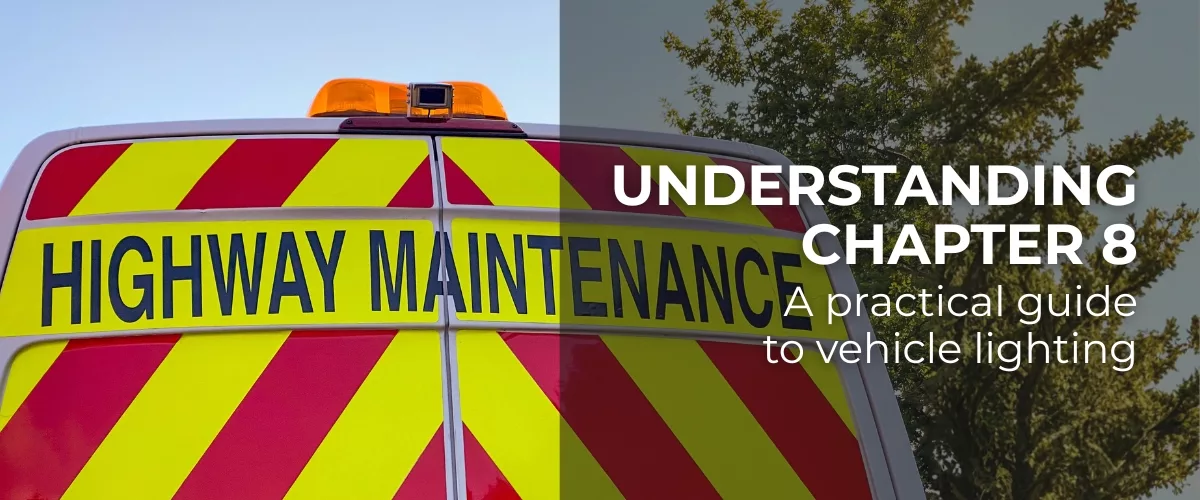
When it comes to vehicle safety, choosing the right amber warning lights is about far more than simply fitting the brightest or cheapest option. For businesses and professionals operating highway maintenance, recovery, utility, construction and other specialist vehicles, warning lighting plays an important role in keeping vehicles visible and helping operations meet the relevant requirements.
As a trusted UK supplier of professional vehicle lighting solutions, AES has extensive experience supporting customers across a wide range of commercial and specialist applications. Our focus is not simply on supplying products, but on helping customers select reliable, suitable solutions for their vehicles and working environments.
To provide practical insight into Chapter 8 compliant lighting, we spoke to Mark Sherriff, Business Development Manager at AES, who has worked in the vehicle lighting industry for more than 20 years.
We asked Mark Sherriff some of the key questions that fleet operators, vehicle converters, highway maintenance companies, recovery operators, utility providers and anyone responsible for specifying or fitting vehicle warning lighting need to consider. From visibility and positioning to flash patterns, intended use and electrical reliability, here is what you need to know about selecting and using Chapter 8 compliant lighting.
➔ Selecting the right type of amber warning lights
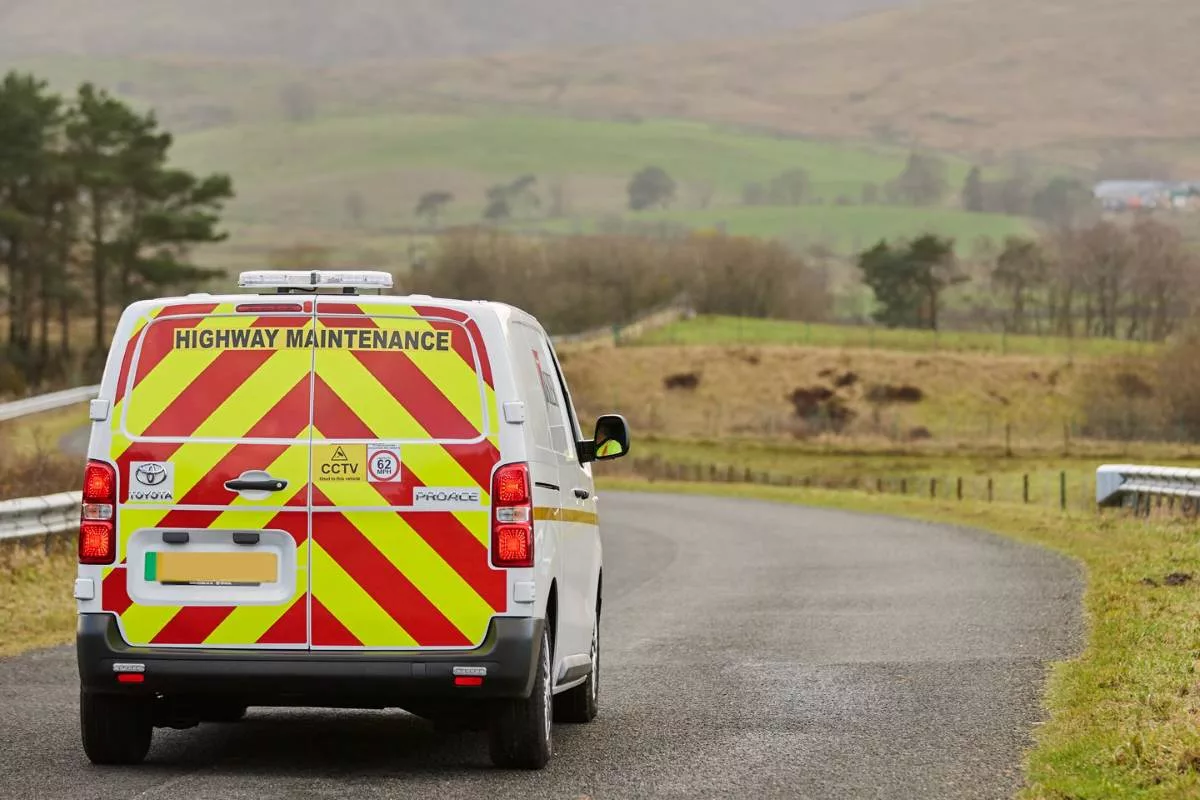
Chapter 8 expects high-visibility amber beacons that are:
- Clearly visible in 360 degrees around the vehicle.
- Either halogen rotating or LED flashing products.
- They need to be bright enough to be seen in daylight and bright sunshine, but not too dazzling at night.
- Use 2 independent light sources, if using an amber lightbar, ensure that each module has its own power source. Some lightbars are wired in series so 1 LED failure can result in a whole lightbar failure and cause non-compliance.
- Check the cable outlet, these can sometimes not be sealed correctly and may let water into the lamp’s electronics.
Look for compliance with standards like:
- ECE Regulation 65 (brightness/intensity) R65 IE TA1 or TA2
- ECE Regulation 10 R10 for electromagnetic compatibility
If your lights don’t meet these, you’re already risking being asked to leave site.
➔ Correct positioning on the vehicle
Mounting is where many people go wrong.
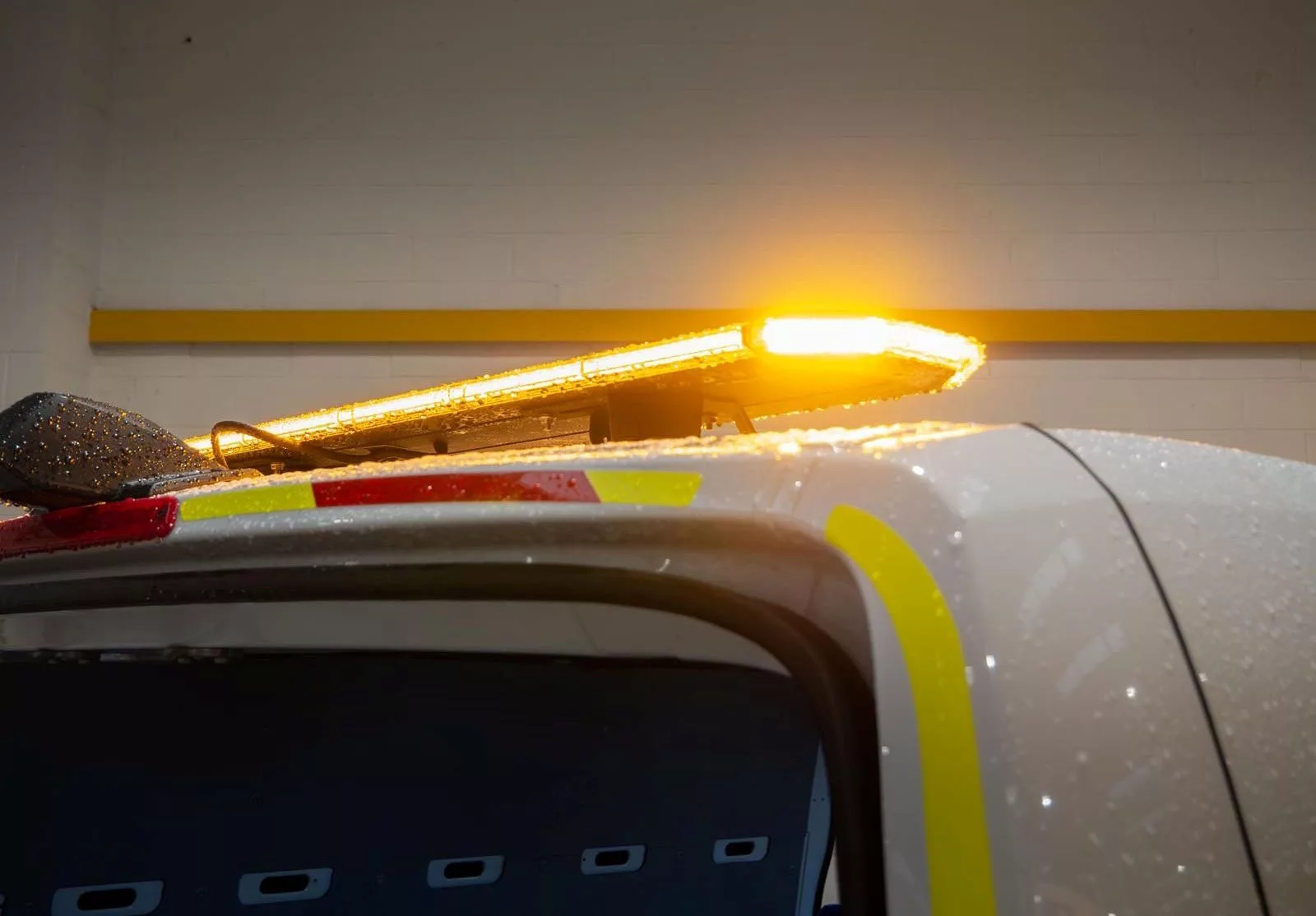
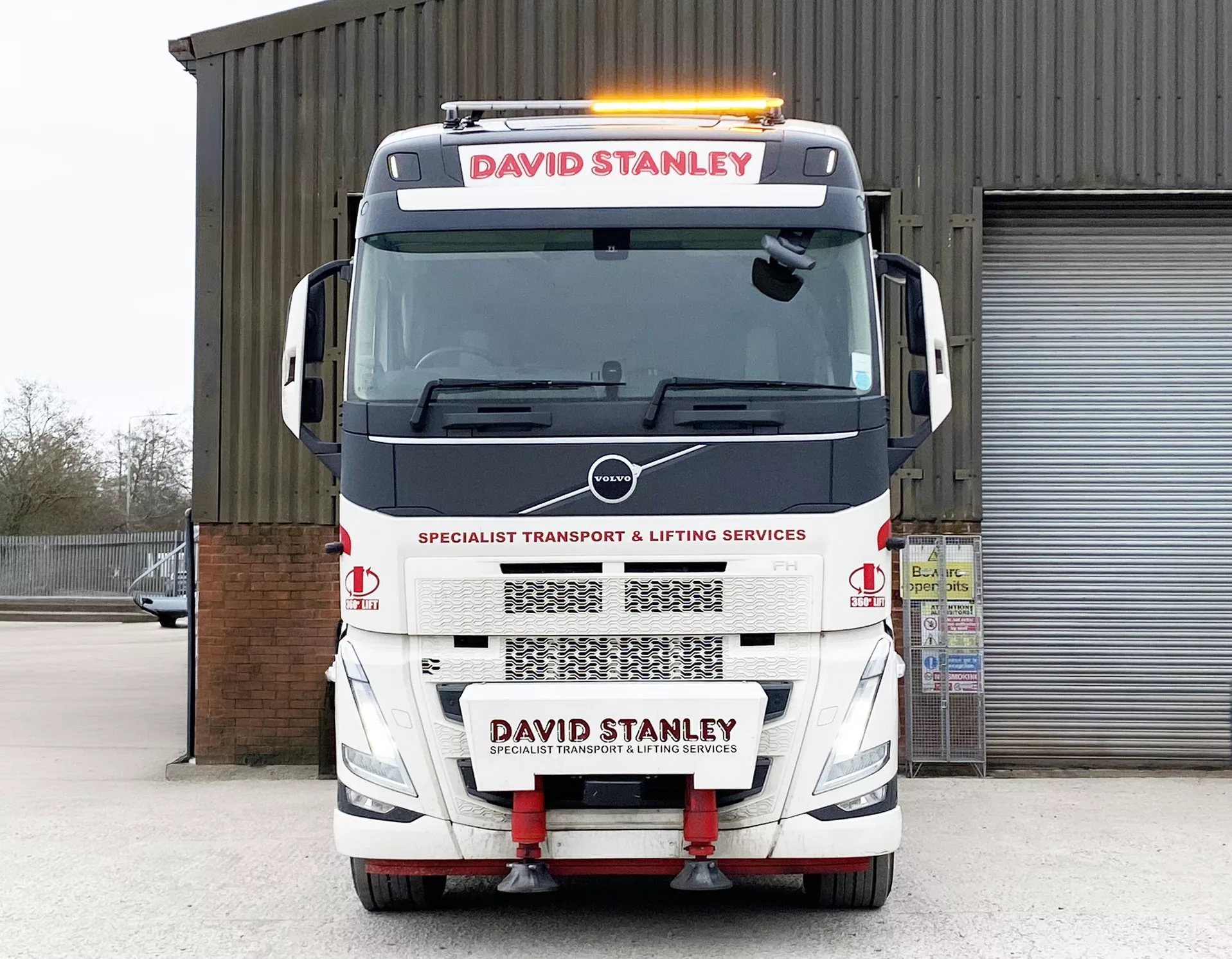
- Place lights as high as possible (usually roof mounted) If the van is high roof H3 and above use mounting brackets to raise bar on vehicle roof to increase visibility
- Ensure there are no obstructions (roof racks, ladders, signage) or if mounted behind a grill ensure there is sufficient gaps to ensure the lamp is visible.
Larger vehicles often need:
- Multiple beacons, or
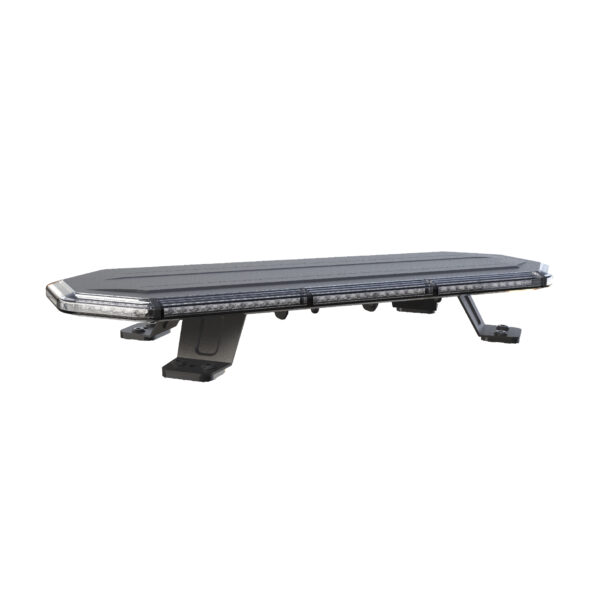
- A full light bar for full coverage
If someone can stand anywhere around your vehicle and not see the light, then the vehicle is deemed non-compliant.
➔ Visibility requirements
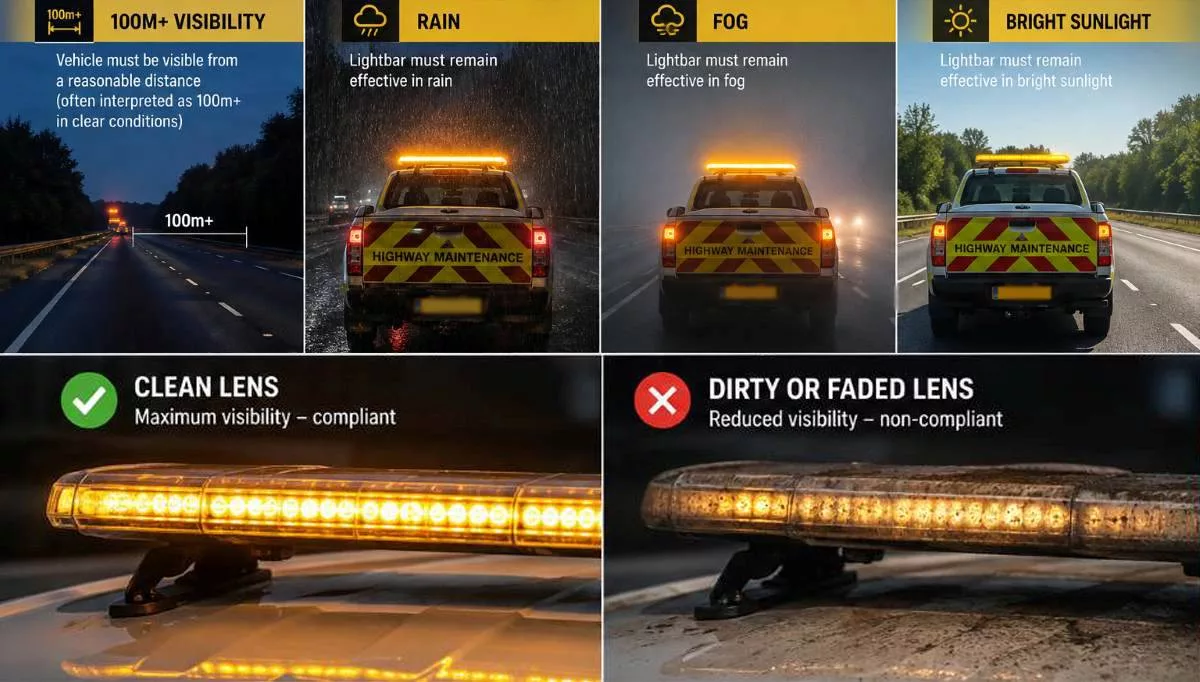
Chapter 8 is strict on visibility: Must be visible from a reasonable distance (often interpreted as 100m+ in clear conditions).
Must remain effective in:
- Rain
- Fog
- Bright sunlight
Dirty lenses or faded covers = non-compliance, even if the light works.
➔ When to use amber lights
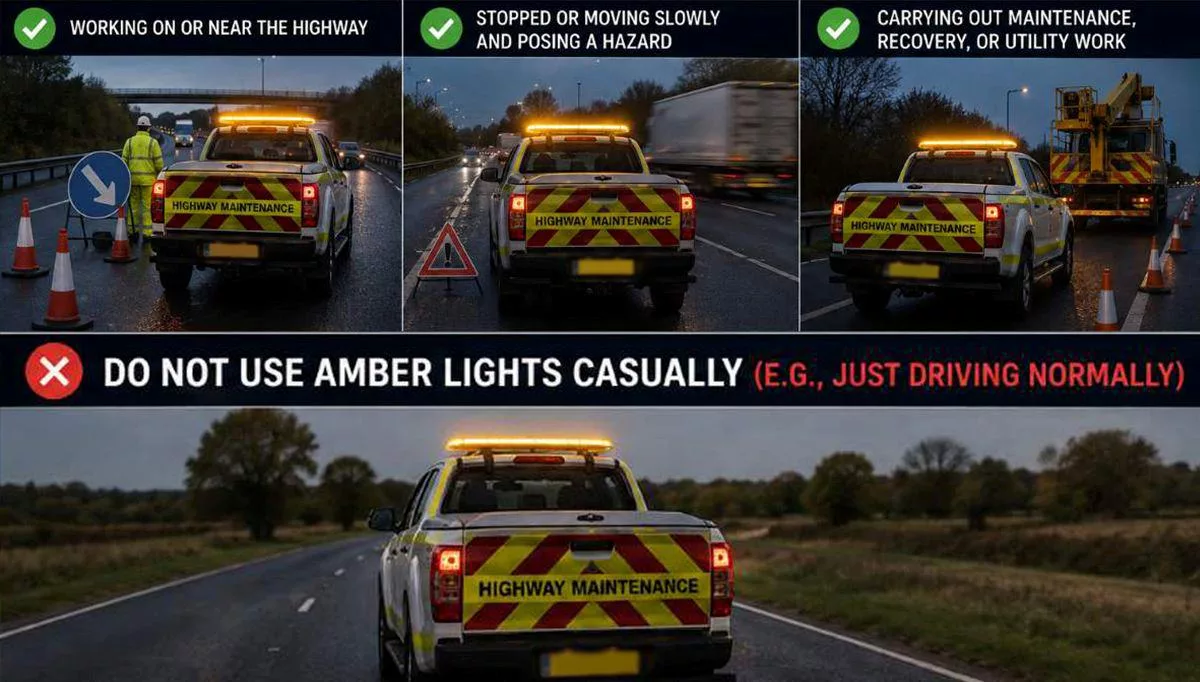
Amber lights are not decorative misuse can get you in trouble.
You should only use them when:
- Working on or near the highway
- Stopped or moving slowly and posing a hazard
- Carrying out maintenance, recovery, or utility work
Using them casually (e.g., just driving normally) can undermine compliance and may breach Road Vehicles Lighting Regulations 1989.
➔ Flash patterns and synchronization
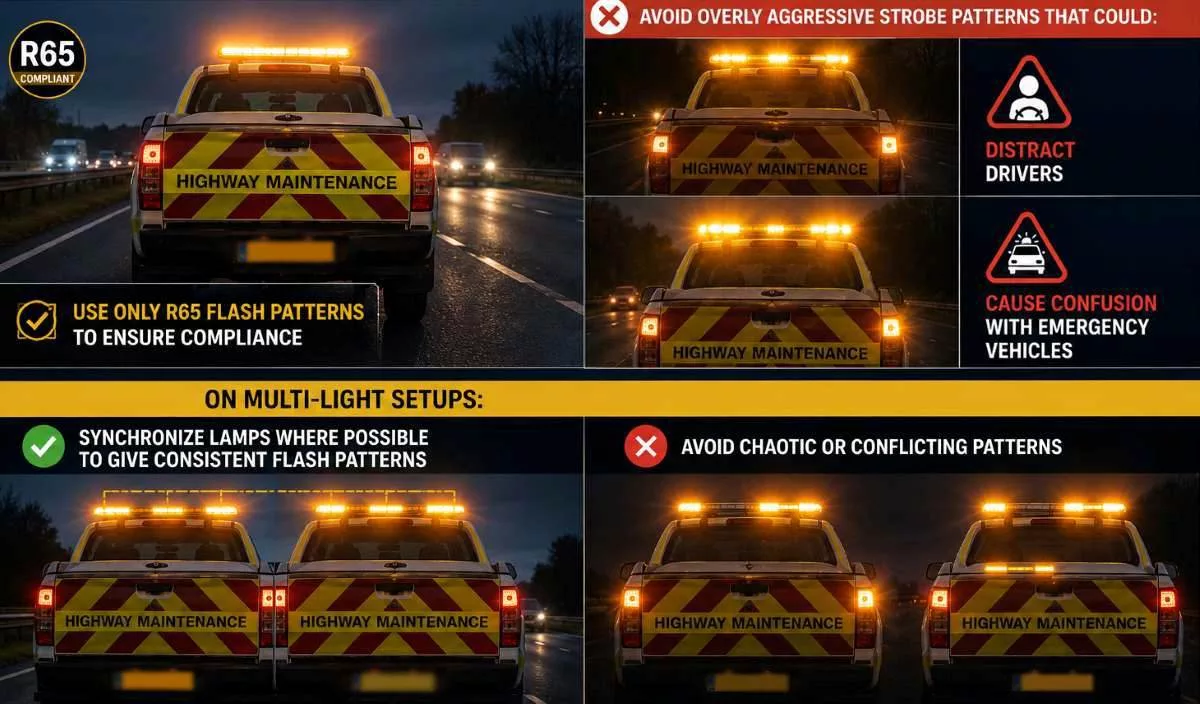
Use steady, consistent R65 flash patterns:
- Avoid overly aggressive strobe patterns that could:
- Distract drivers
- Cause confusion with emergency vehicles
- Use only R65 flash patterns to ensure compliance
On multi-light setups:
- Synchronize lamps where possible to give consistent flash patterns
- Avoid chaotic or conflicting patterns
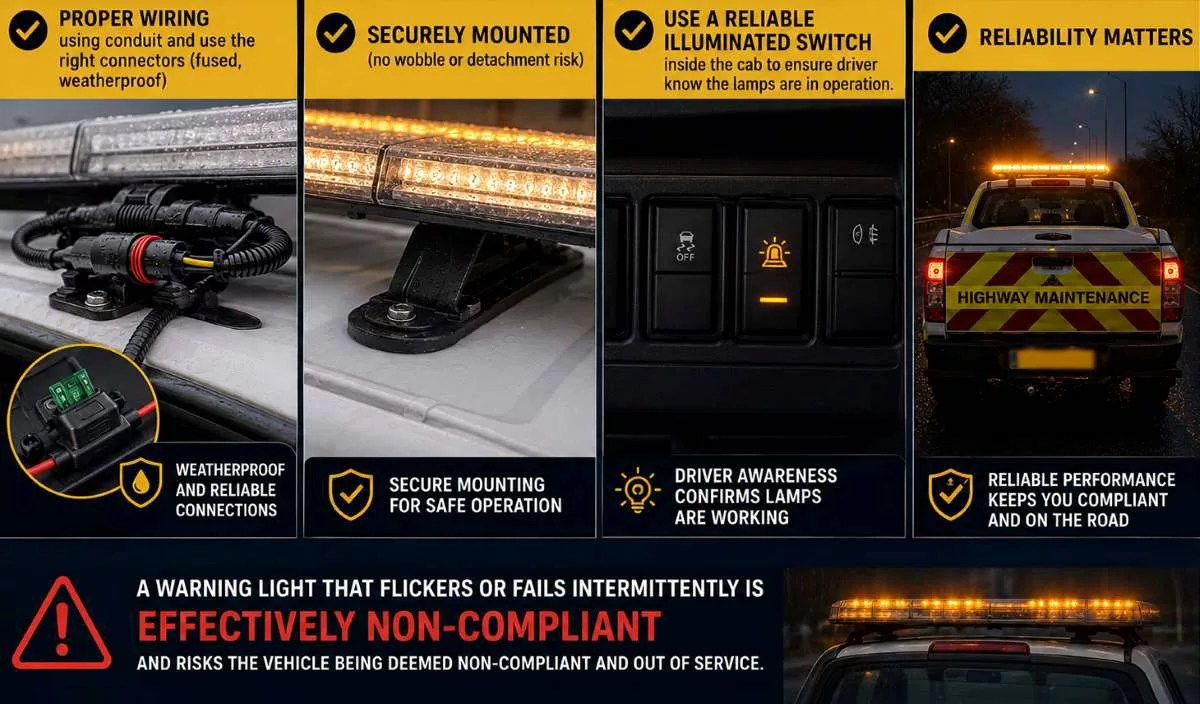
➔ Electrical safety and reliability
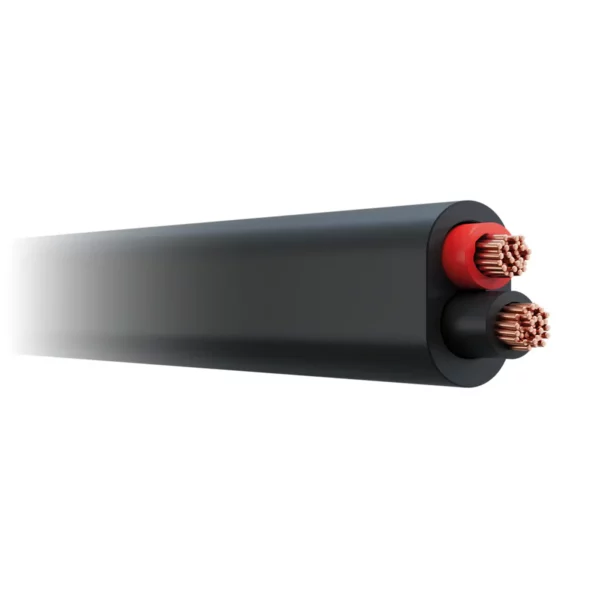
- Proper wiring using conduit and use the right connectors (fused, weatherproof)
- Ensure they are securely mounted (no wobble or detachment risk)
- Use a reliable illuminated switch inside the cab to ensure driver know the lamps are in operation.
A warning light that flickers or fails intermittently is effectively non-compliant and risks the vehicle being deemed non-compliant and out of service.
➔ Maintenance and inspection
Even compliant lights become non-compliant if neglected:
- Clean lenses regularly
- Check brightness and operation
- Replace damaged or failed units immediately ensuring that the lamps are from the same manufacturer and ensure lamps have correct flash pattern set.
This is especially important for fleet or commercial vehicles.
➔ Bottom line
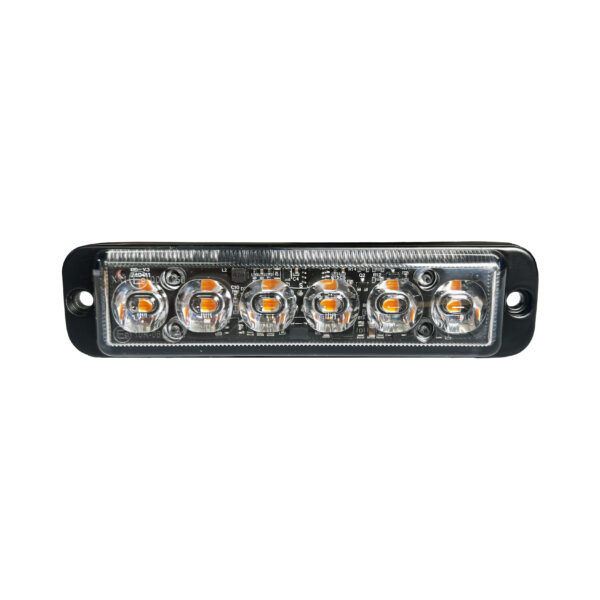
Chapter 8 compliant lighting is about more than simply fitting an amber lightbar or beacon to a vehicle. The right solution must provide effective visibility, use appropriate R65 flash patterns, be installed and wired correctly, and only be used when the vehicle and situation require it.
At AES, we understand that every vehicle and application has different requirements. Our experienced team is on hand to provide professional advice and help you select the most suitable lighting solution, whether you are specifying equipment for a new vehicle, upgrading an existing fleet or reviewing your current setup. If you are unsure which lighting is right for your application, get in touch with the AES team for expert guidance.